How Big Is 10mm? 9 Common Things That Are 10mm
10mm is equivalent to one centimeter, or almost 0.39 inches. This measurement is quite small, roughly comparable to the width of a fingertip or the diameter of a standard marble. To visualize how big is 10mm, think of an object slightly less than half an inch wide.
This dimension is commonly found in jewelry, tools, electronics, and common household items. Because millimeters can be difficult to visualize, many people seek real world points of reference. The most effective way to grasp the scale is to compare it to familiar objects.
While a 10mm item is distinct enough to be clearly noticeable in your hand, it remains compact enough to fit easily in your pocket or rest comfortably on your fingertip.
How Big Is 10mm?
9 Common Things That Are 10mm
Pencil Eraser Width
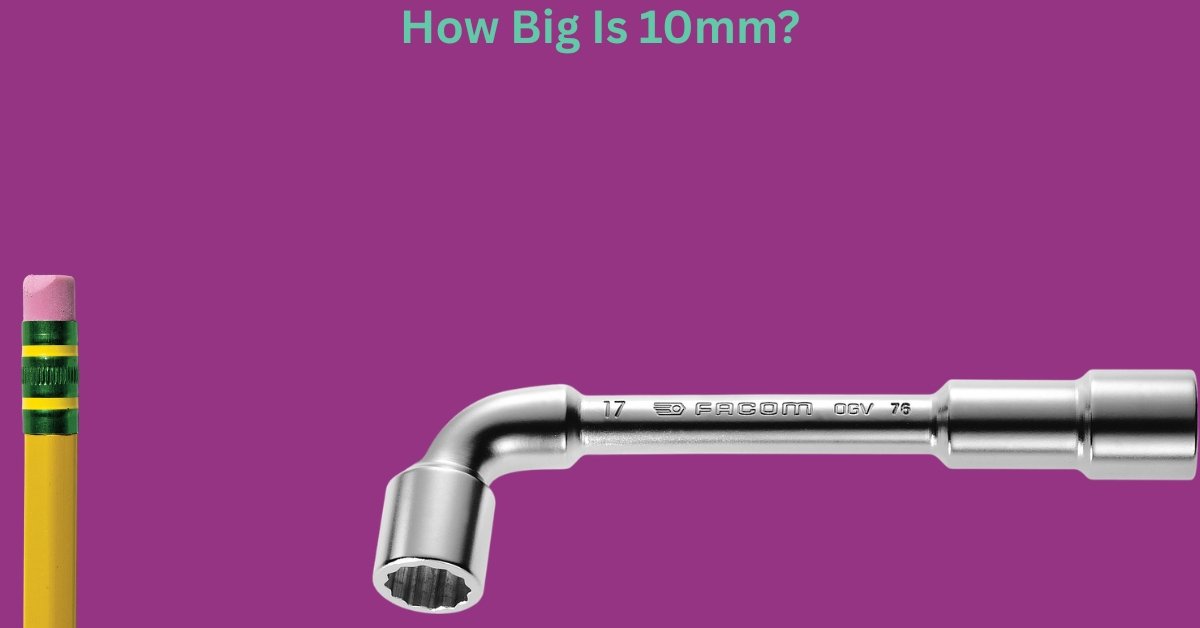
A standard pencil eraser is perhaps the most accessible way to gauge 10mm. The pink eraser found on most wooden pencils is typically close to this measurement. Because these erasers are handled frequently, they offer a familiar reference point that is easy to visualize how big is 10mm.
Medium Craft Bead
In the realm of crafts and jewelry, a medium sized bead often measures almost 10mm in diameter. This size is popular in accessories because it provides enough presence to be noticed without appearing oversized, balancing detail with practicality.
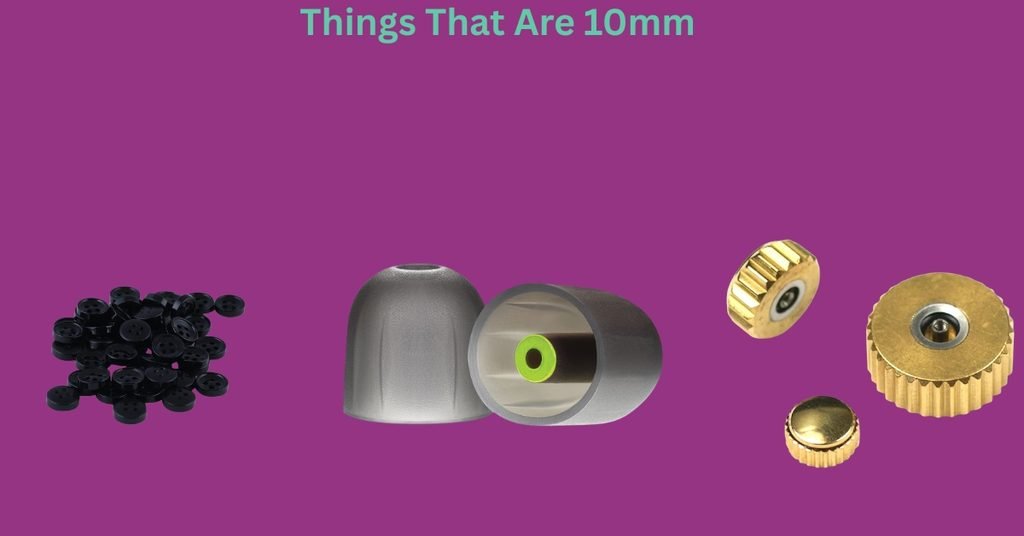
Small Shirt Button
Fashion also relies on this measurement for functionality. Many buttons on the collars or sleeves of dress shirts are roughly 10mm wide. This size is small enough to remain subtle while providing the necessary grip to fasten fabric securely, which is why it is a standard choice for clean, professional apparel designs.
Socket Wrench Opening
For those involved in maintenance or assembly, the 10mm socket wrench is a universal tool. This specific size is frequently used for the bolts and nuts found in bicycles, automotive parts, and flat pack furniture. Its prevalence in manufacturing makes it a common fixture in most home toolkits.
Earbud Tip Diameter
The design of modern technology often incorporates 10mm dimensions for comfort. The soft silicone tips on many earbuds are designed at approximately this size. This diameter is intended to create a secure fit within the ear canal, balancing the need for stability with the requirement for long term comfort during use.
USB Cable Thickness
Heavy duty USB charging cables often feature a diameter approaching 10 millimeters. This thickness is primarily due to the reinforced protective outer layers surrounding the internal wires.
By increasing the diameter, manufacturers enhance the durability of the cable, making it more resistant to the wear and tear caused by frequent bending or tension. Many high end charging cables utilize these dimensions to ensure a longer product lifespan and function as a pragmatic reference of how big is 10mm.
Watch Crown
In the world of timepieces, a watch crown often measures almost 10 millimeters. The crown serves as the primary interface for setting the time and adjusting the date.
At this specific size, the knob is substantial enough to be gripped comfortably and manipulated with the fingers. It remains compact enough to sit flush against the watch case, preventing it from digging into the wearer’s wrist during movement.
Ring Band Width
Jewelry design also utilizes this measurement to achieve specific aesthetic outcomes. A ring band with a width of 10 millimeters is considered substantial and creates a bold, noticeable appearance on the finger. While narrower bands often convey a more delicate or understated look, a 10 millimeter band provides a distinct visual presence.
This width is frequently selected for men’s wedding bands and fashion rings where a stronger, more prominent style is desired.
Small Marble
A standard small toy marble serves as an excellent visual reference for 10 millimeters. Because marbles are smooth and spherical, they offer a tactile way to perceive how big is 10mm.
Their consistent shape and size make them a practical tool for visualizing one centimeter, whether they are being used in games, displayed as decorations, or integrated into various craft projects.
Conclusion
A measurement of 10 millimeters is equal to 1 centimeter, which translates to almost 0.39 inches. While this is a small increase , it is a standard dimension mostly encountered in everyday life. From the width of a pencil eraser or a shirt button to the diameter of a watch crown or the size of a small socket, 10mm is a common baseline in various industries.
Developing an intuitive sense of how large 10mm is becomes straightforward when comparing it to familiar objects. Using these common items as mental benchmarks allows for quick estimation without the need for a ruler or measuring tape.
The thickness of a standard pencil or the width of a small paperclip often falls near this measurement. Whether you are shopping for jewelry, hardware, electronics, or craft supplies, having a clear understanding of what 10mm looks like can assist in making more informed decisions.
Recognizing this size helps ensure that components, accessories, or materials meet your specific requirements before a purchase is finalized. By internalizing this common unit of measurement, you can more effectively navigate practical tasks that involve precision and scale.